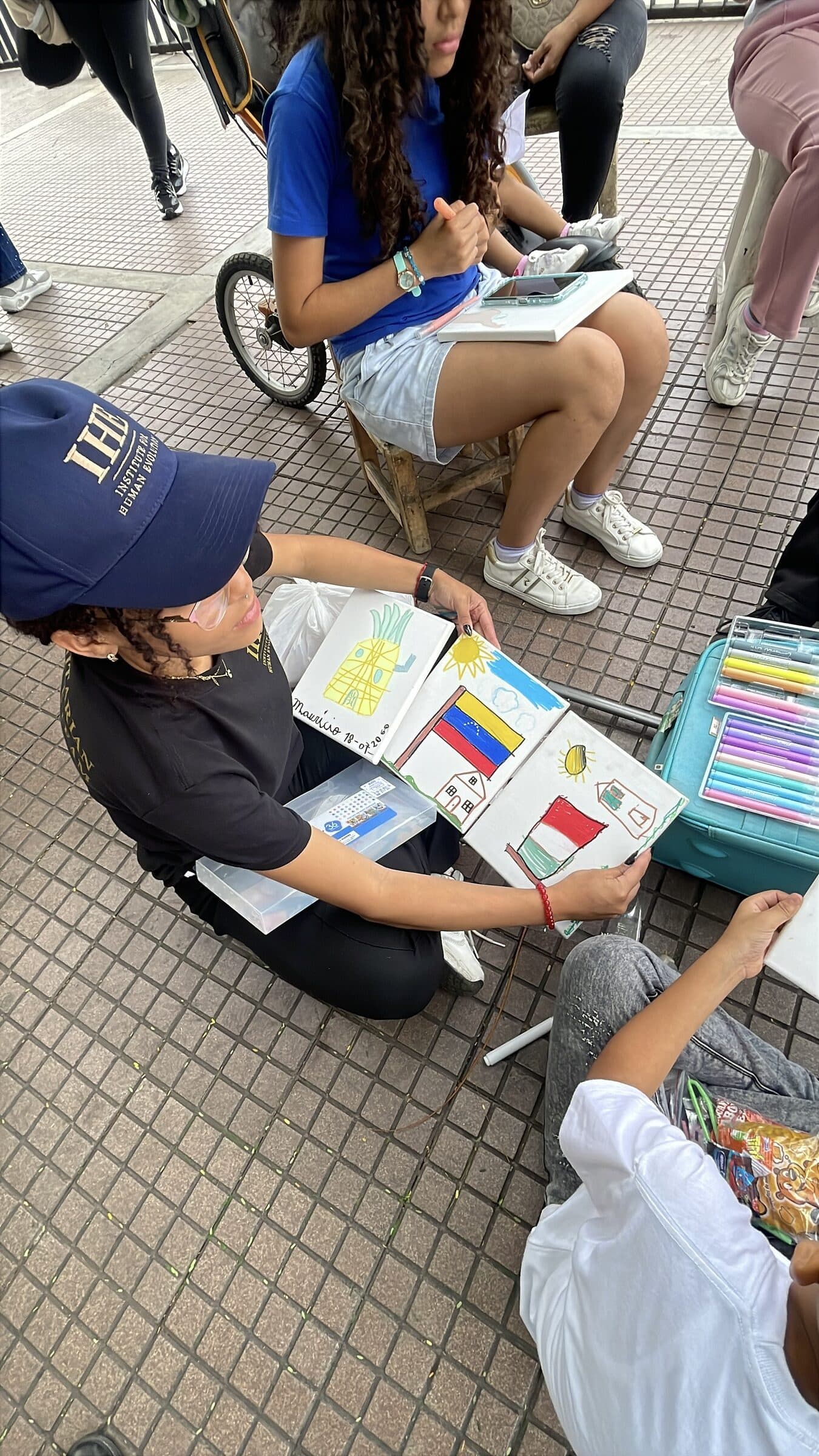
We plan to open a learning center in Venezuela
In design. No building and no date yet.
A safe place in the community, with computers and internet, where volunteer teachers give live classes from other countries. We are planning it for the communities where the July mission worked.
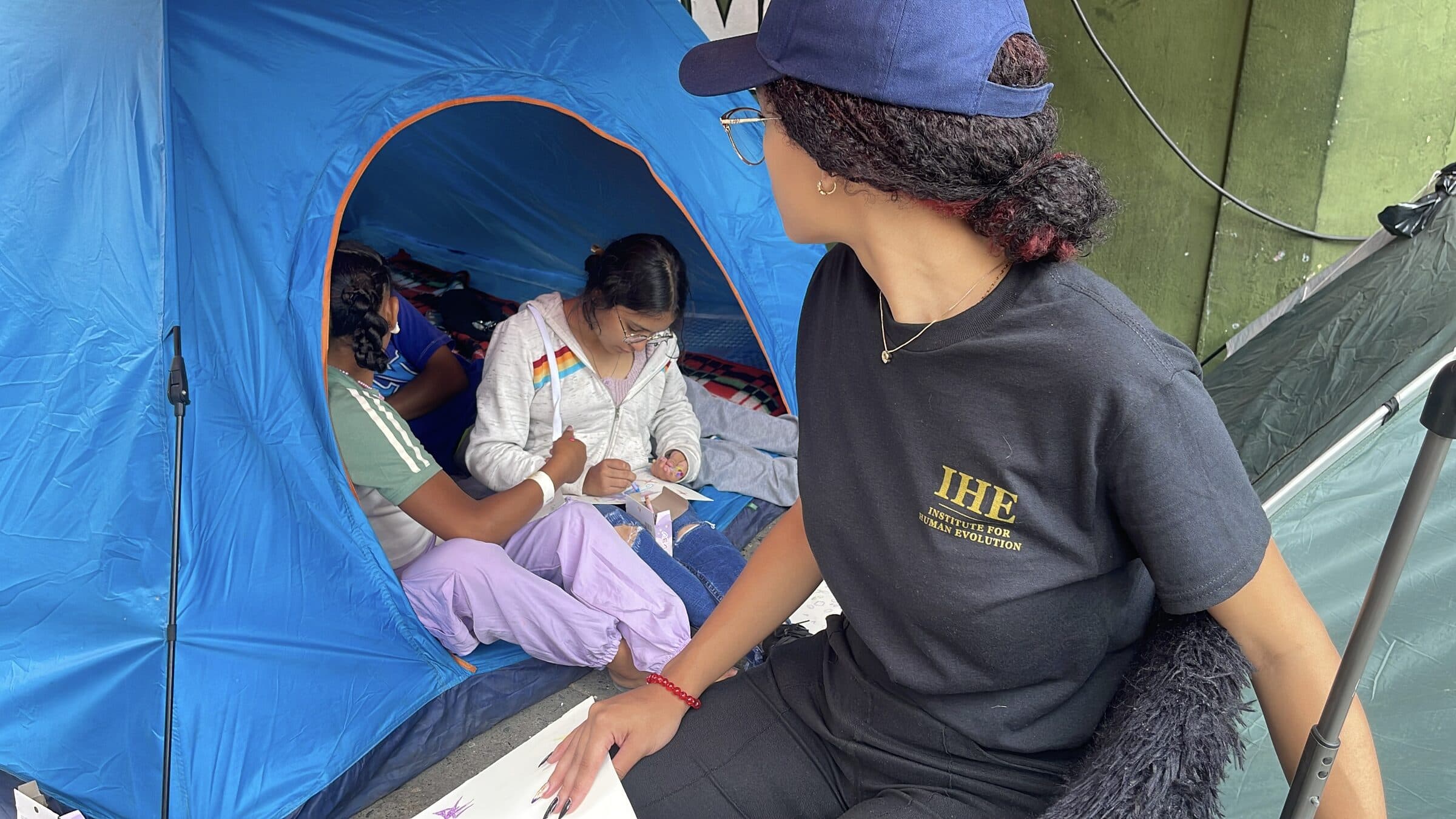
How we are designing it
A safe local space
Supervised, with computers, internet, books, and art supplies, and a steady schedule.
Live classes from abroad
Volunteer teachers and mentors teach by video call, so a good instructor does not have to travel.
Local coordination
People from the community look after the children and stay in touch with families.
Reading, math, and English
Help with homework and study habits, and English through conversation, games, and stories.
Art, technology, and well-being
Drawing, music, computer skills, and activities that help children put what they feel into words.
Health and the future
Hygiene and nutrition with the IHE Medical Corps, and scholarships, entrepreneurship, and money basics.
The centers will be educational. When a child needs clinical care, IHE will coordinate a referral to licensed professionals.
Teach a class from where you live
We are looking for teachers, bilingual instructors, artists, and professionals who can give live classes or one-time workshops remotely. Everyone who works directly with children will be screened, trained, and supervised.
Or write to programs@ihe.institute.